
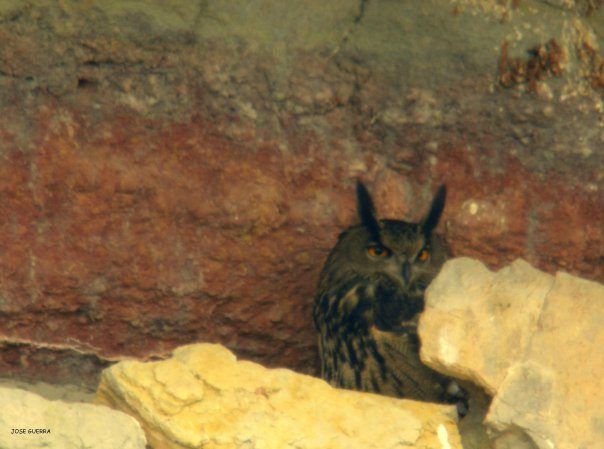
Birds of prey
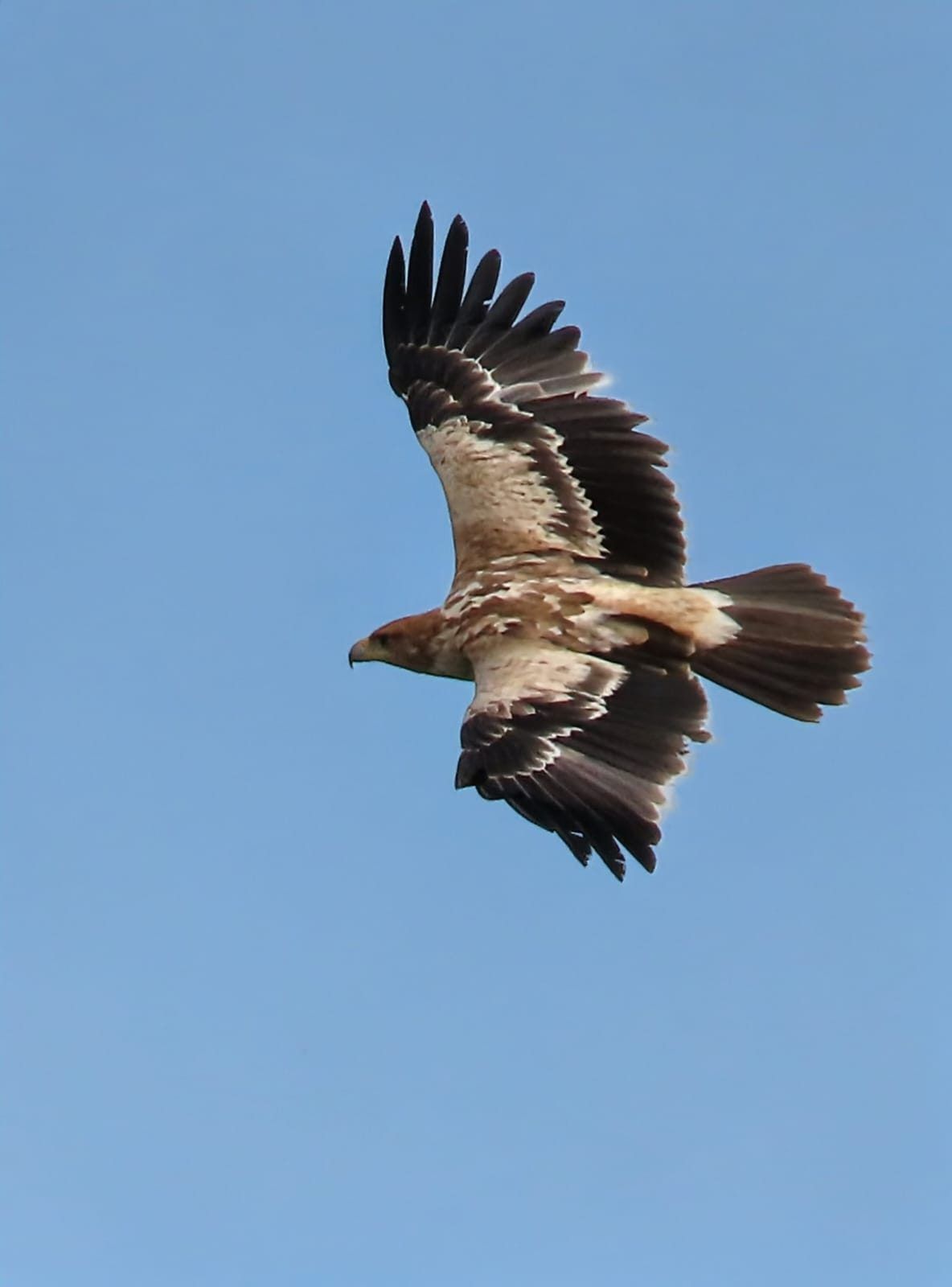
Bonelli's eagle, eagle owl, little owl and Montagu's harrier.
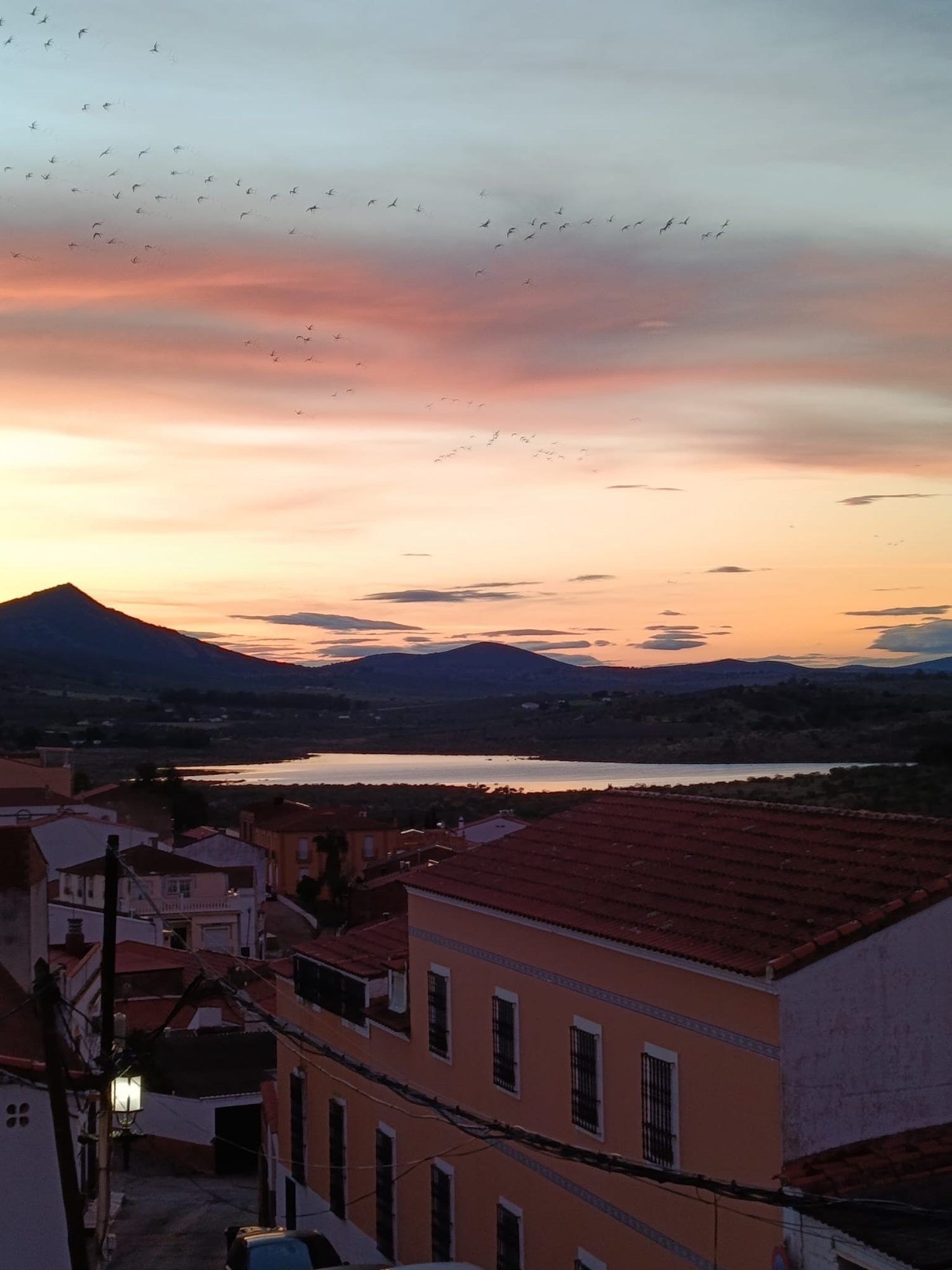
Surroundings
Connect with the land and with yourself. Feel the magic of country life.
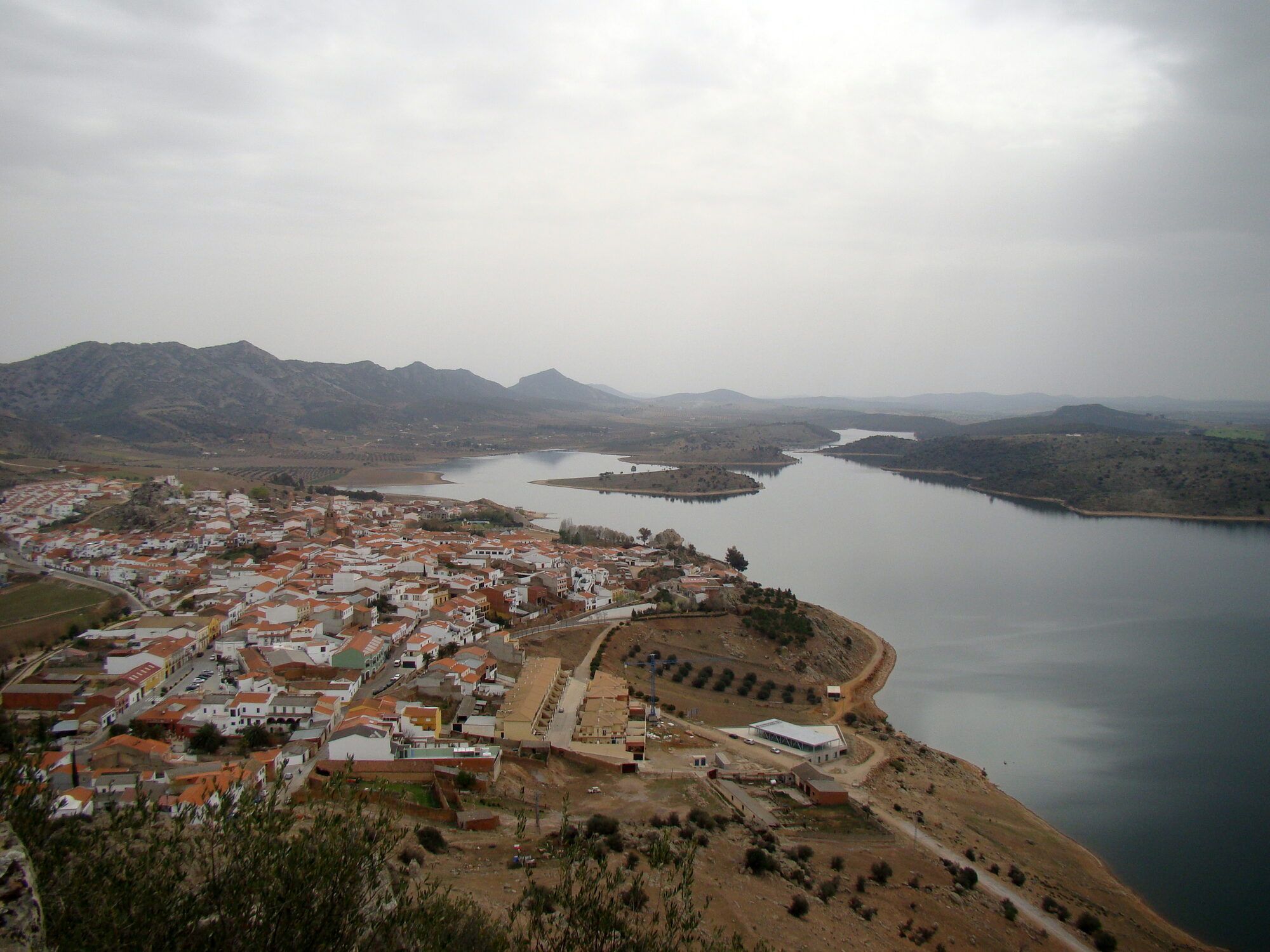
Alange sits in the middle of Extremadura, 323 metres above sea level and 22 km from Mérida, the regional capital.
This region is a natural paradise, somewhere to love the land and look after it. It is a region committed to sustainable tourism, where nature can be enjoyed with all five senses.
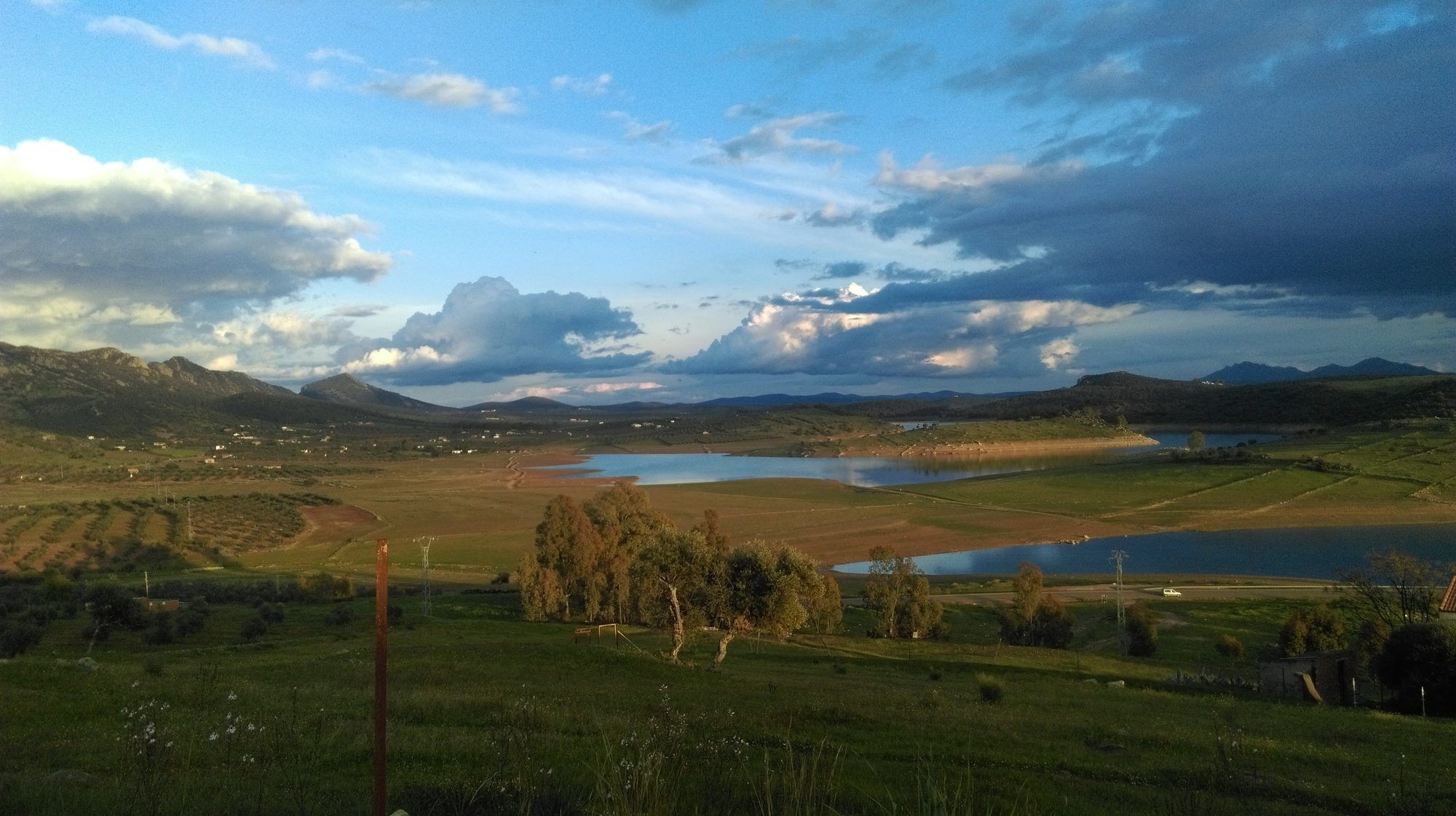
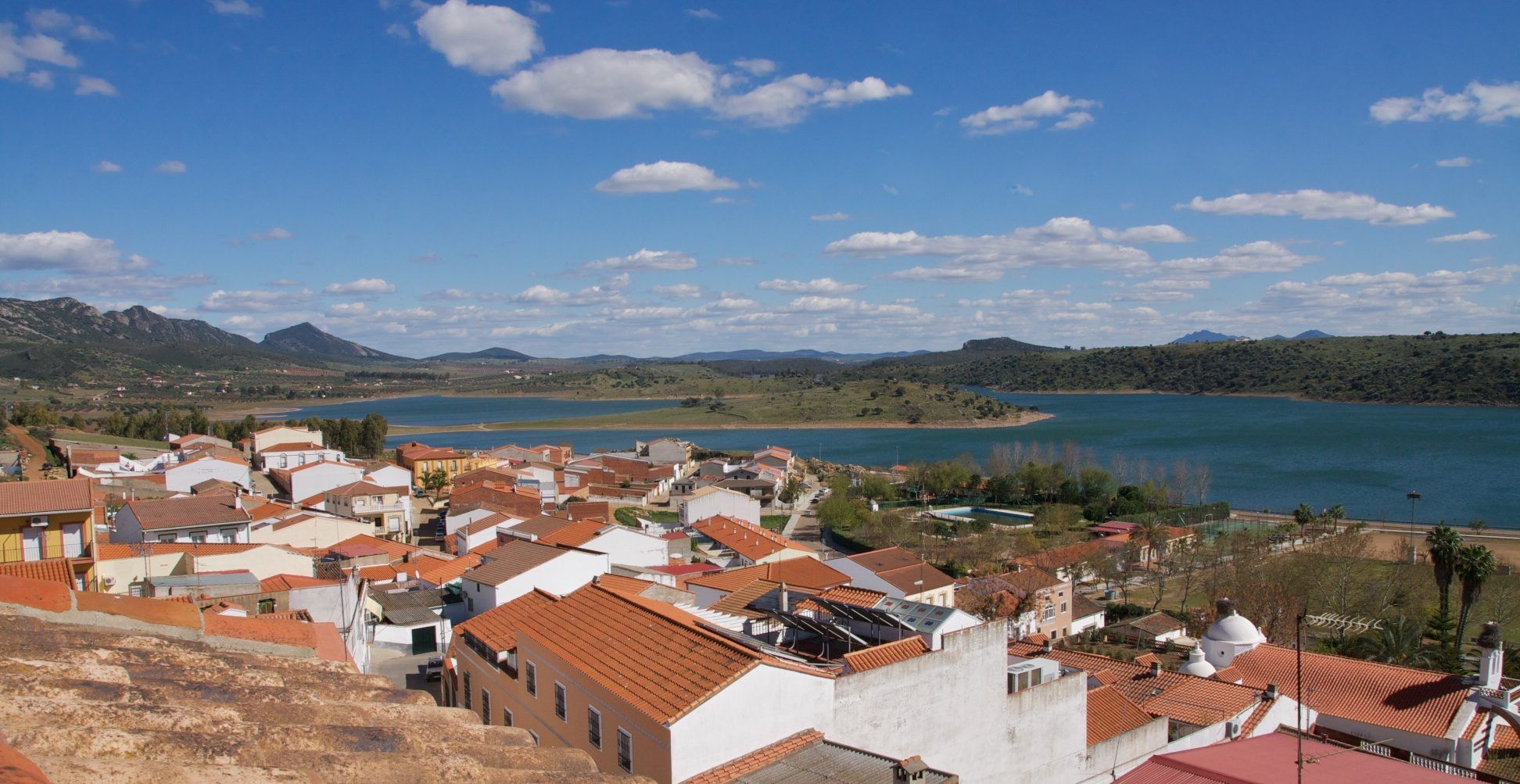
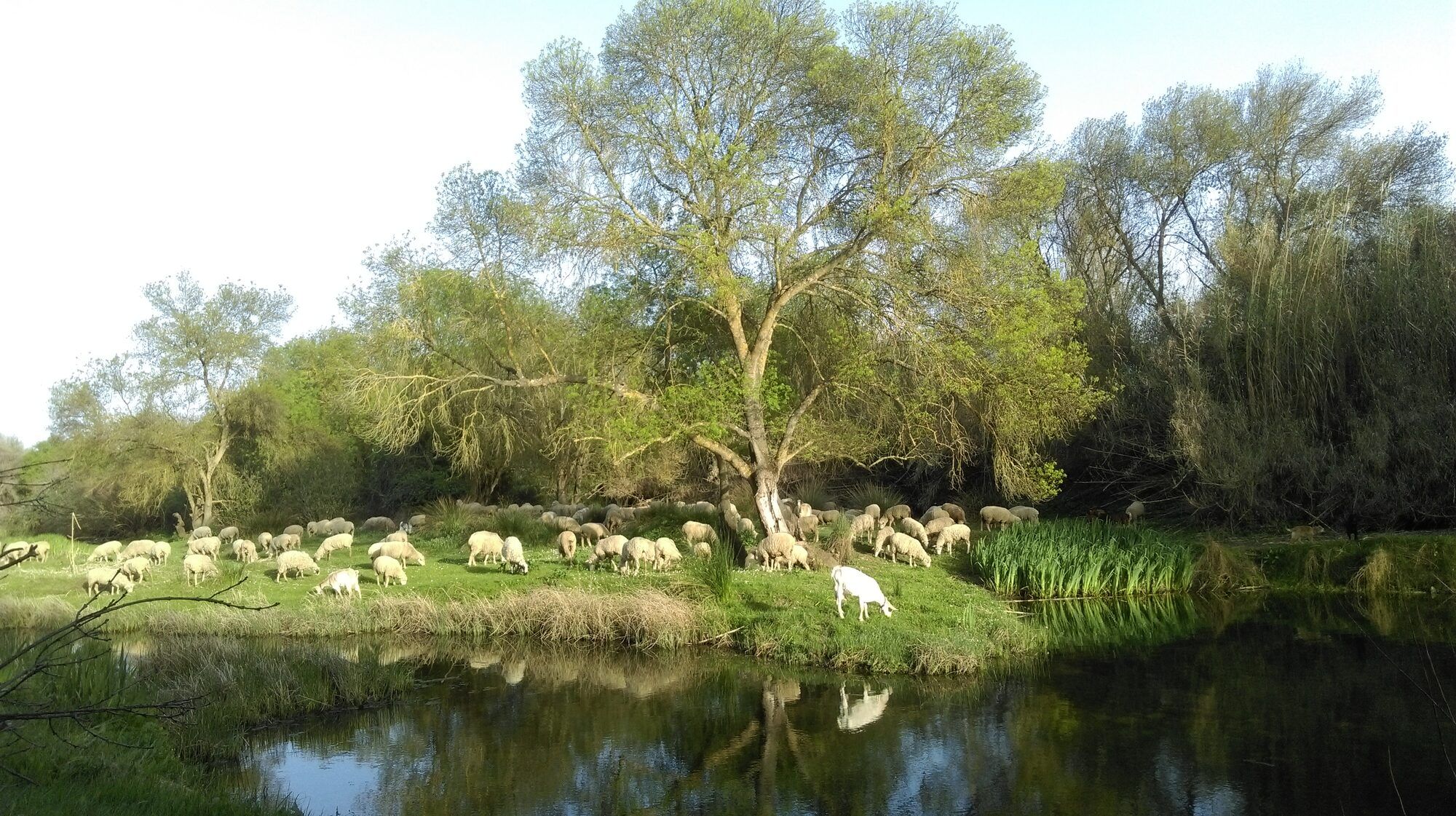
The village and its nature
Thanks to where it sits and to the range of habitats around it — hills and crags, the lake and wetlands, riverside woodland, a patchwork of farmland, dehesas and Mediterranean scrub — more than 230 bird species have been recorded.
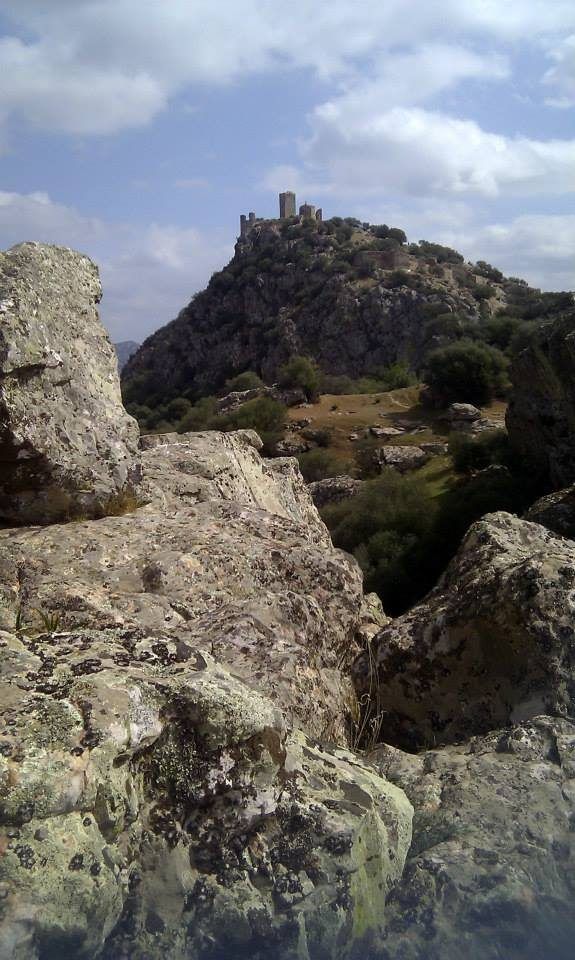
Alange lies within the Special Protection Area for Birds «Sierras Centrales y Embalse de Alange». It covers 16,571 hectares of the Natura 2000 network. It stands out for the crags of the Cerro de la Culebra and the castle of Alange, and for its birdwatching routes, which matter for the birds that nest on rock faces.
Extremadura is still the great unknown, and Alange, in the province of Badajoz, is one of those places whose birdlife is largely still to be discovered.
Flora
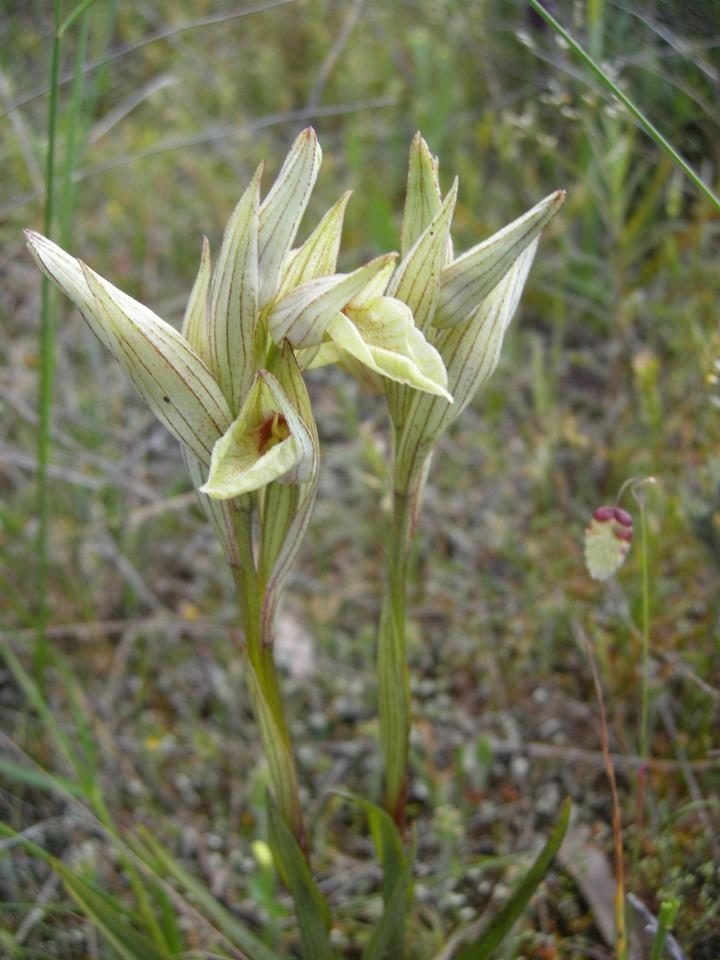
Among the many plants here are several species of orchid. One of them is found only in Extremadura and has its largest population in the world around Alange: the green serapias (Serapias perez-chiscanoi).
Irises also grow here, along with hawthorn, strawberry tree, terebinth, wild olive and hackberry. The range of habitats around Alange also makes room for a wide variety of wildlife.
Wildlife
Of great interest to anyone who loves nature. This is only part of what can be seen within a few kilometres of the house.
Bonelli's eagle, eagle owl, little owl and Montagu's harrier.
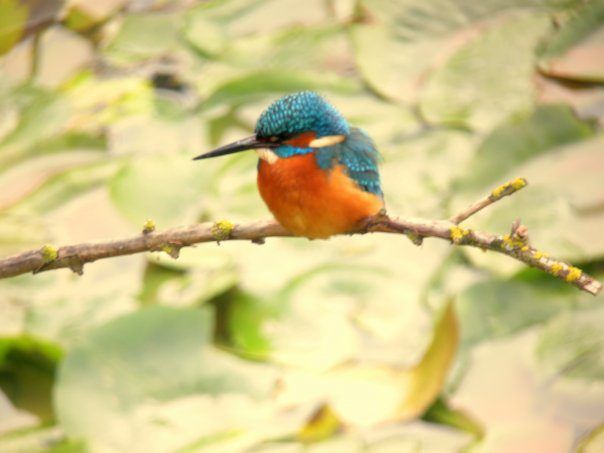
Mallard, shoveler, common teal, great cormorant, greylag goose, grey heron and kingfisher, all helped by having the lake so close.
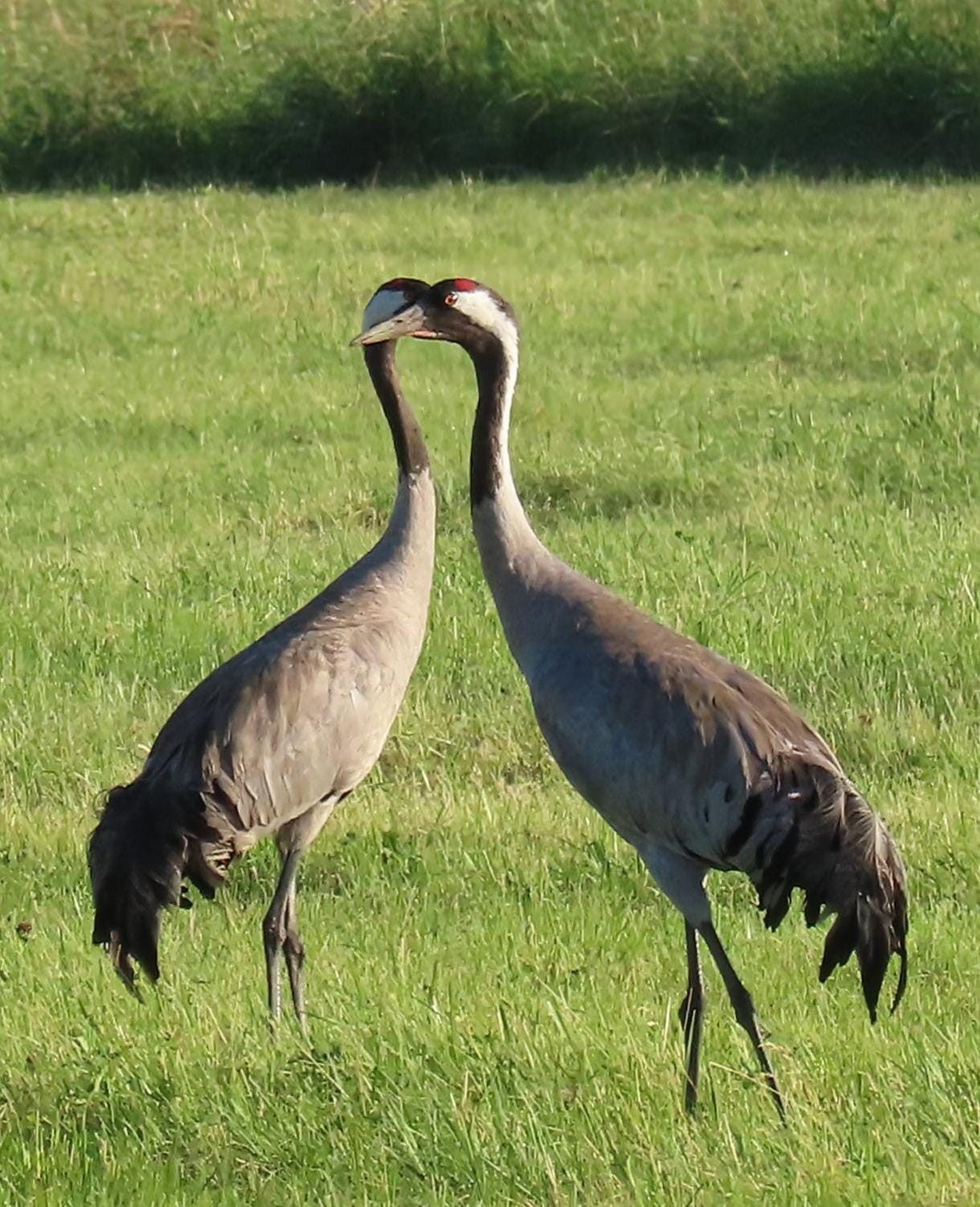
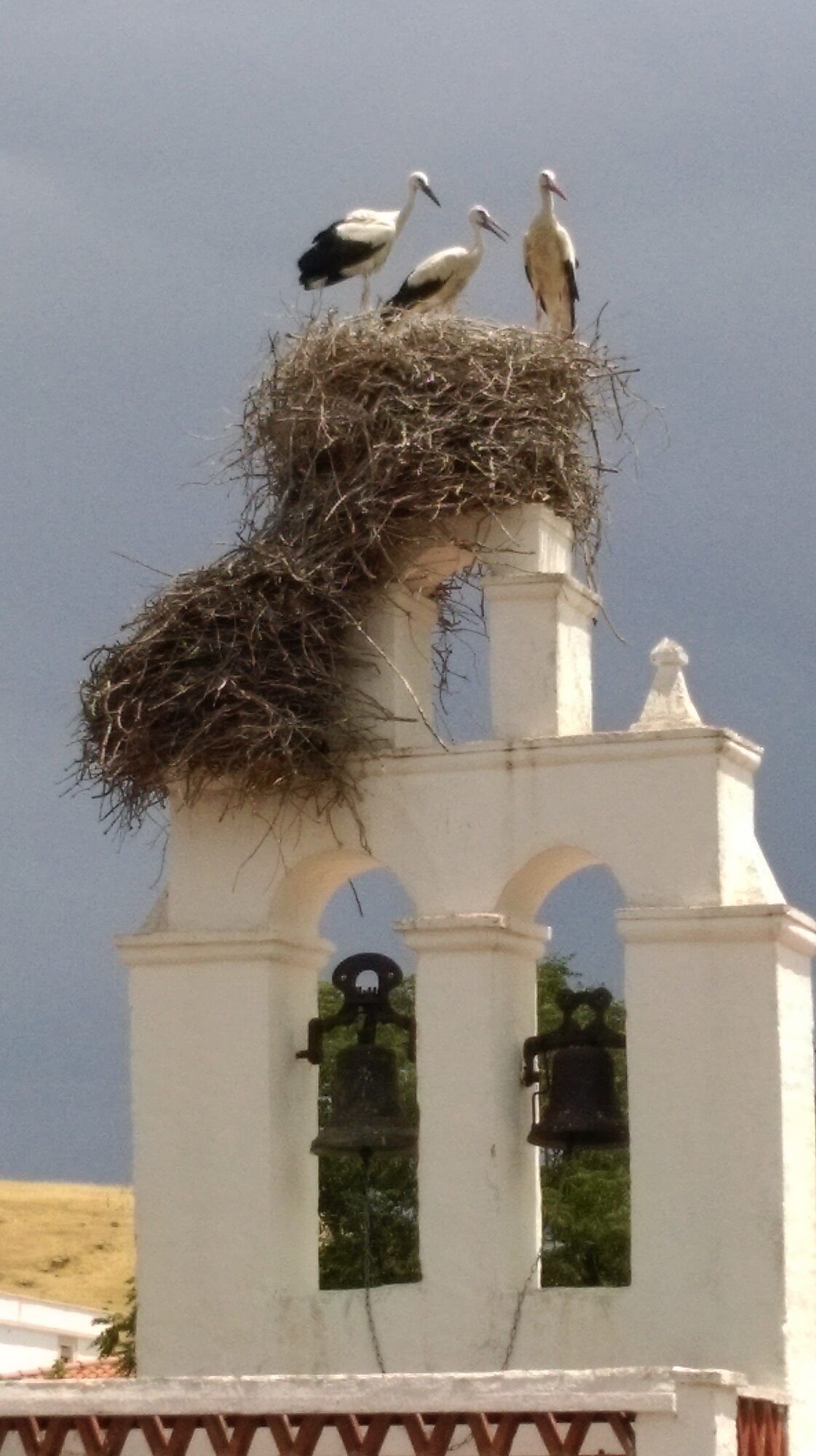
A settled wintering population of common cranes in the surrounding dehesas; white storks, barn owls, swallows and house martins in the village.
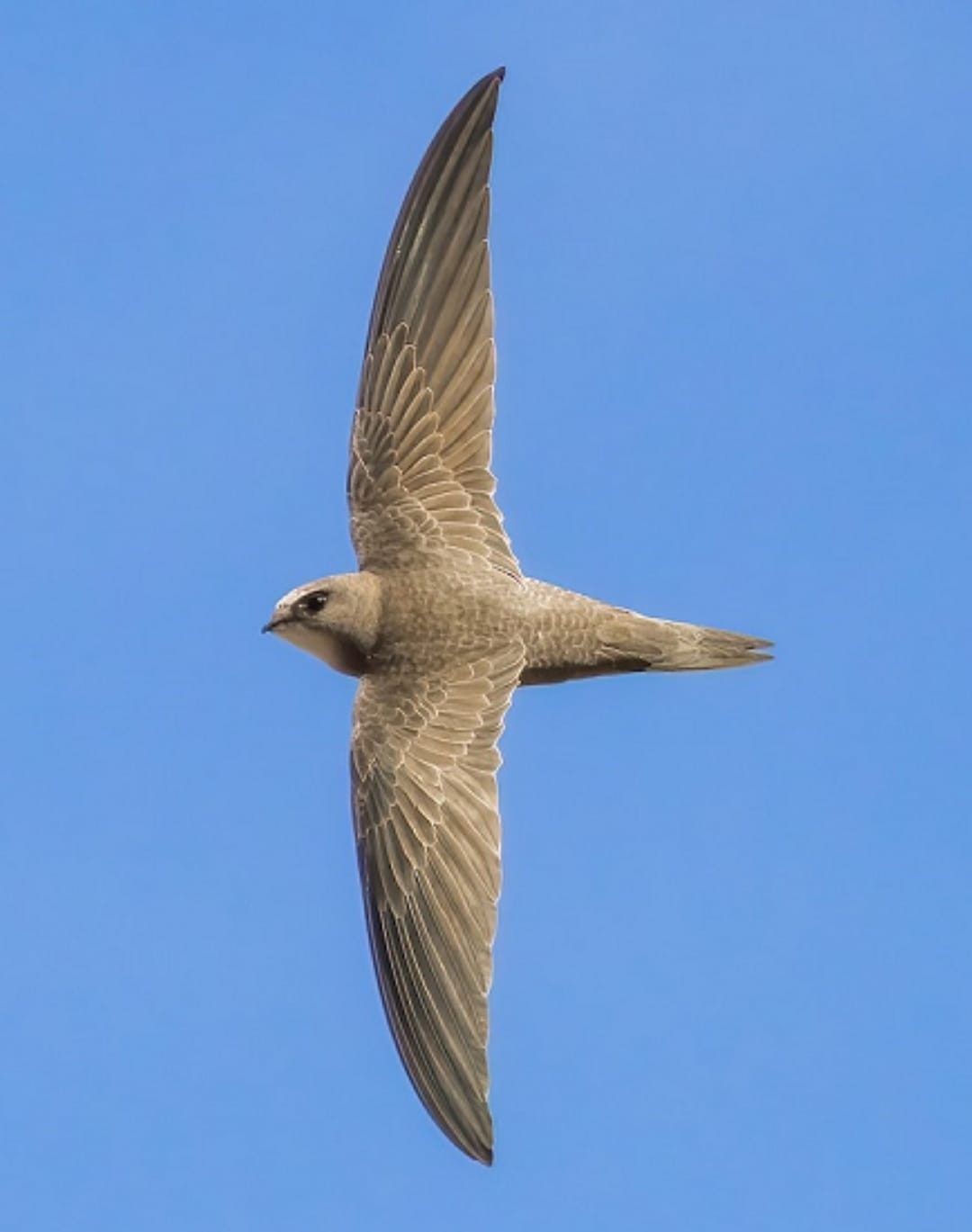
The swift deserves a mention of its own: in Alange you can see all five Iberian swift species found on the peninsula.
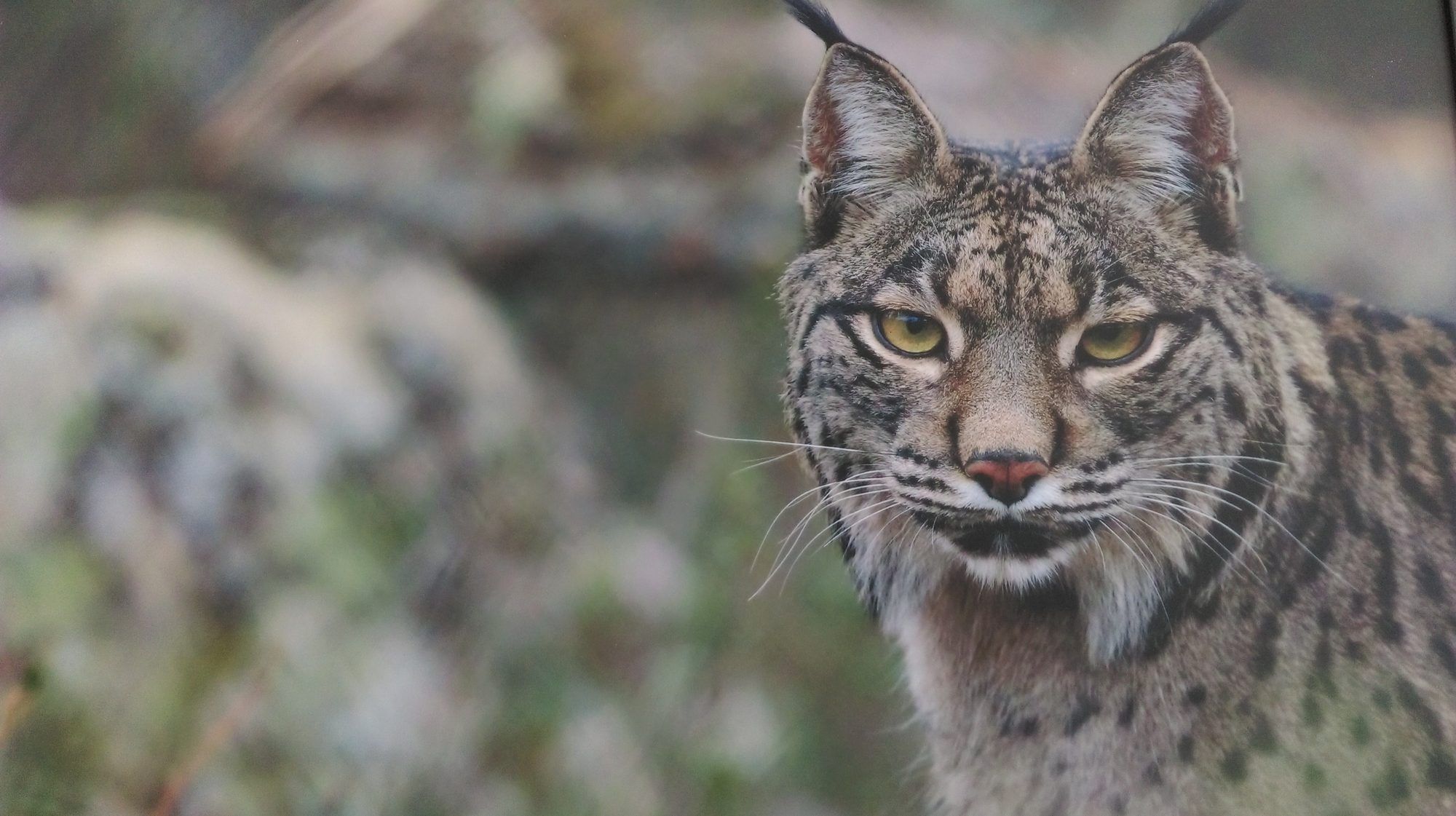
Iberian lynx, genet, wildcat, badger, fox and otter. Wild boar are present in the scrub on the slopes.
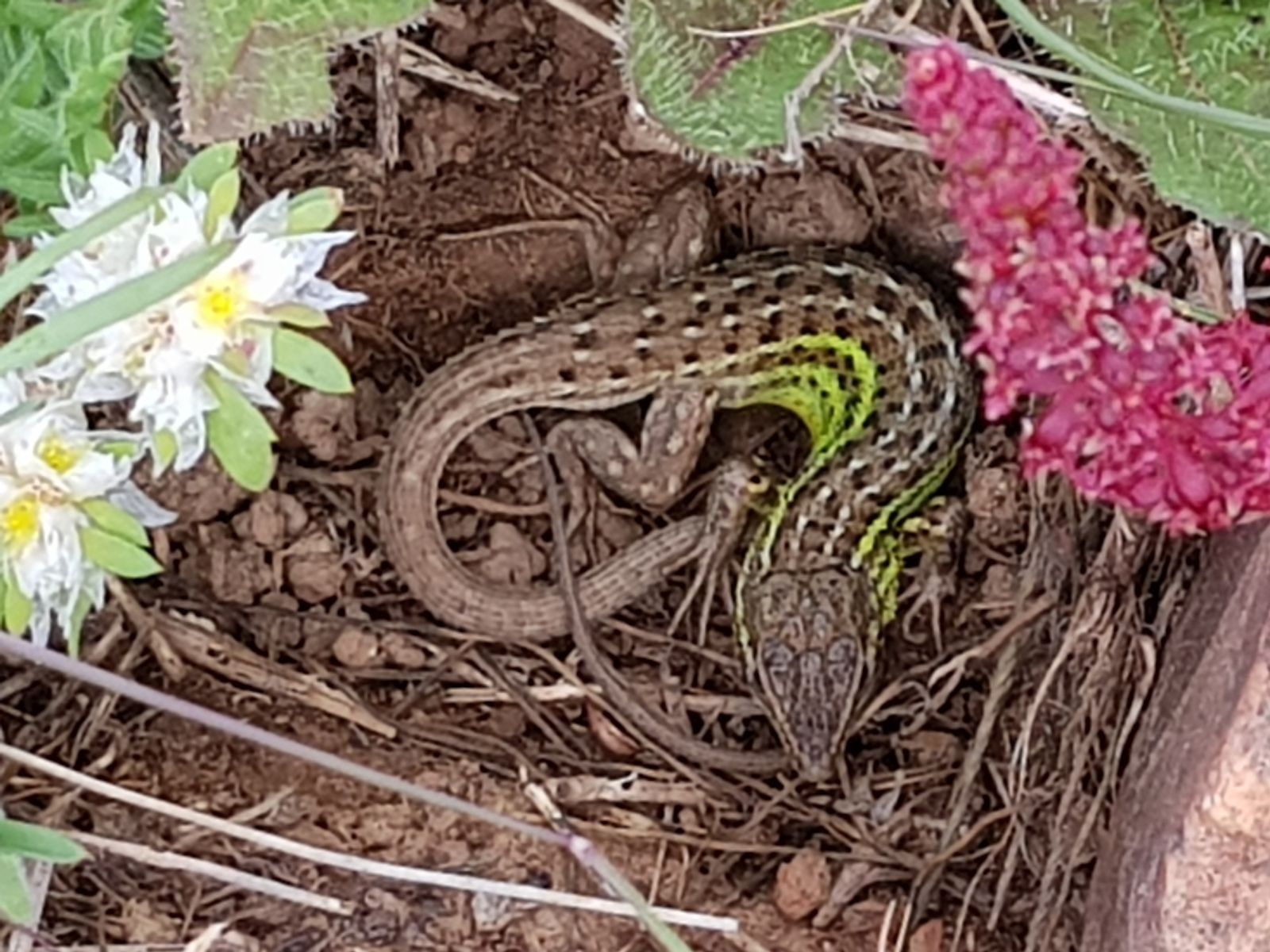
Montpellier, horseshoe, ladder and viperine snakes, the large psammodromus, the Spanish terrapin and the ocellated lizard. Among the amphibians, Iberian and marbled newts, the pygmy newt, the sharp-ribbed newt, the green frog, the Mediterranean tree frog, the spadefoot toad, the natterjack and the Iberian midwife toad.
Nearby
Special places well worth a visit, all a short drive away, each with its own history, heritage and countryside.
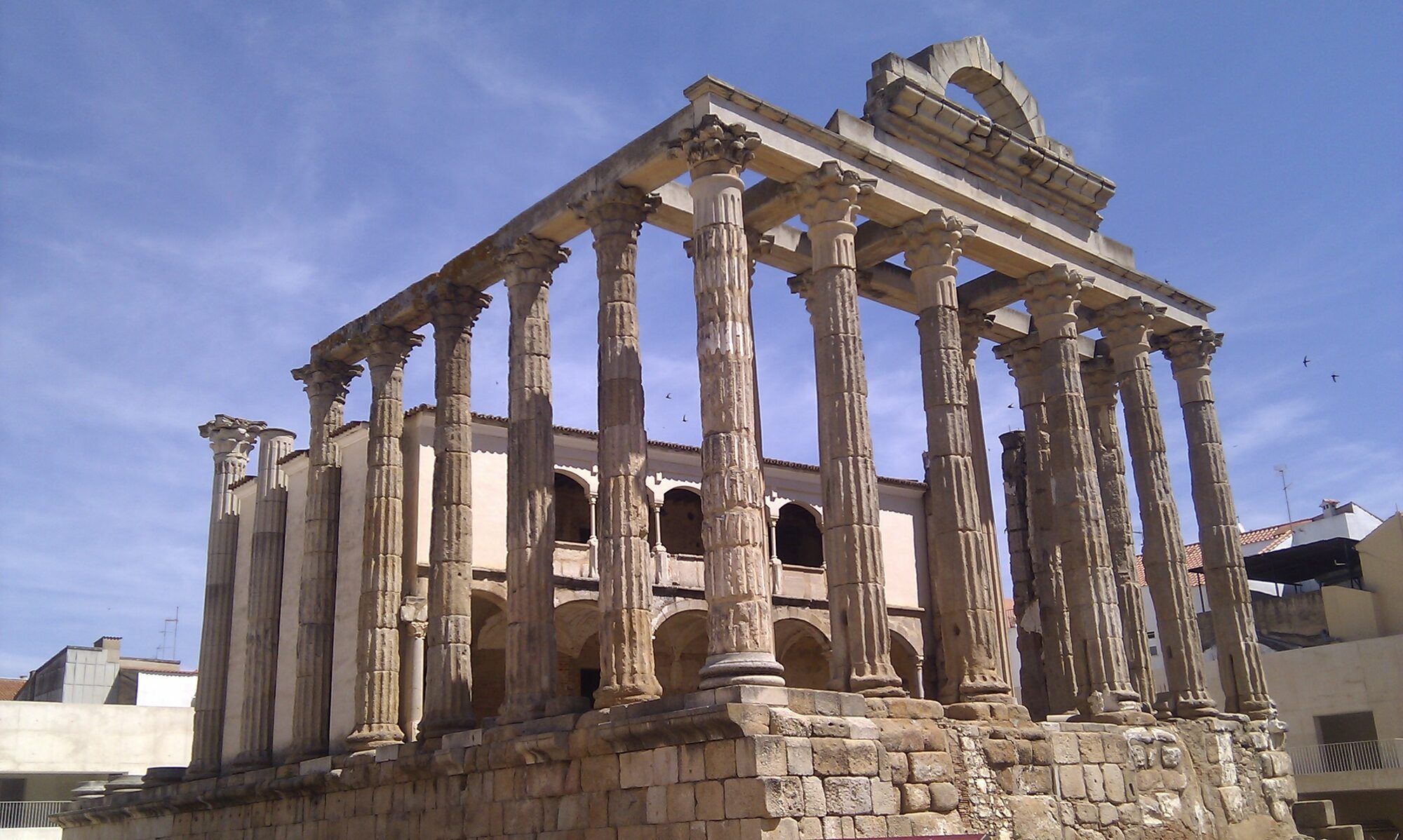
20 minutes by car
The capital of the region of Extremadura. The archaeological site of Mérida was declared a World Heritage Site by UNESCO in 1993, for its historical importance and its remarkable artistic, cultural, architectural and monumental legacy.
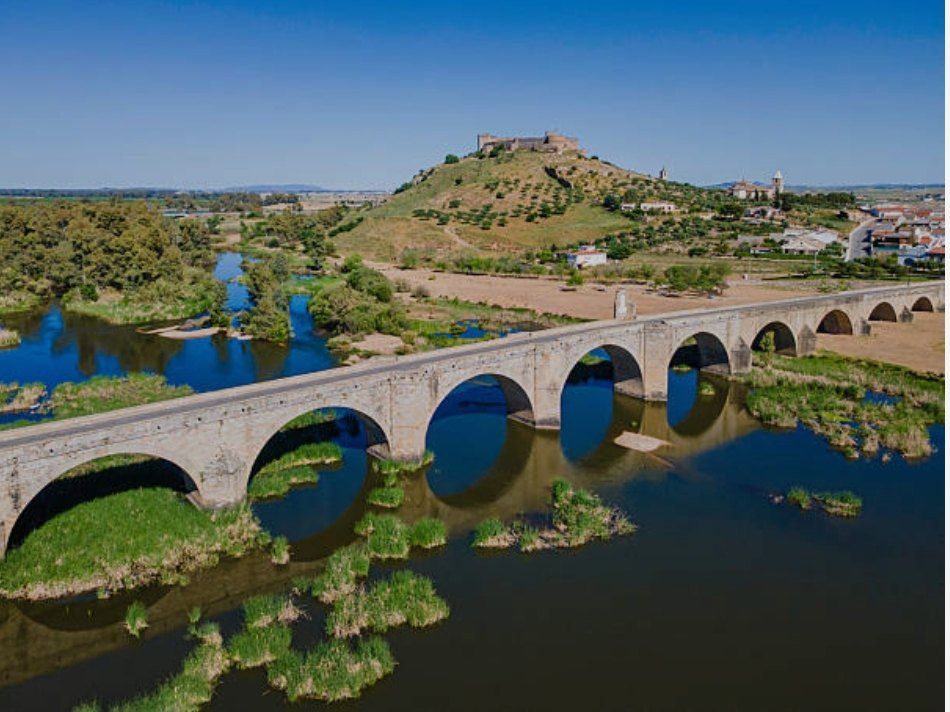
Only 30 minutes away
Roman in origin and rich in monuments, above all the Roman theatre, the medieval castle and the 17th-century bridge over the river Guadiana.
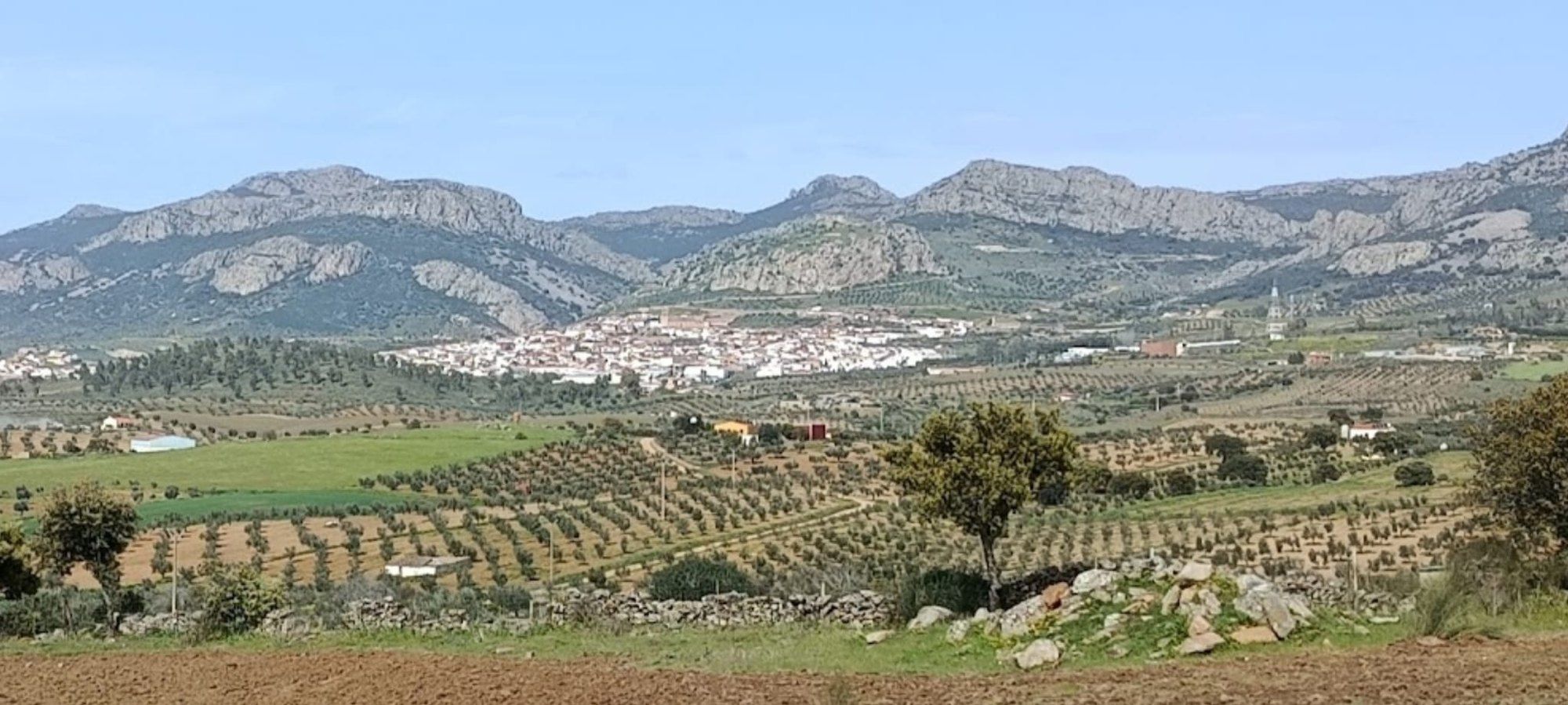
40 minutes from Alange
A legacy of its Morisco population: during the 16th century the town became one of the most important centres of Mudéjar art in Extremadura. The Sierra Grande de Hornachos stands out, declared a Special Protection Area for Birds in 1998, as well as a Regional Interest Area and a Site of Community Importance.
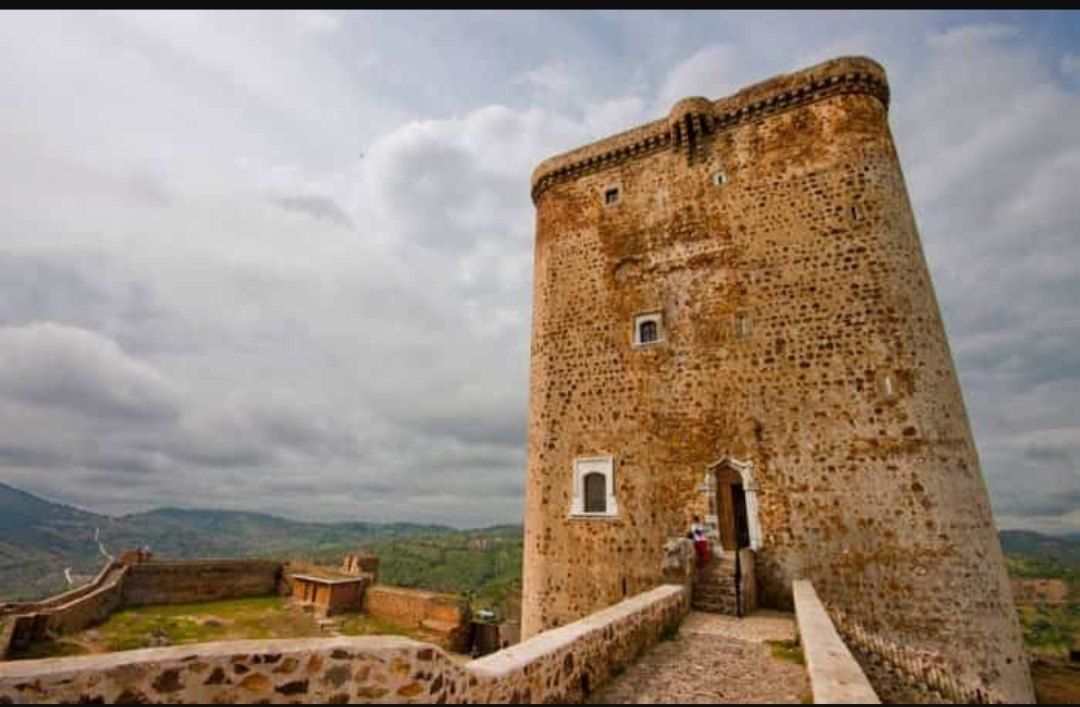
Very close by
A lovely village with a beautiful castle from the middle of the 16th century, the main stronghold and base of the Duchy of Feria. It has a striking keep, restored several times, and a courtyard, both open to visitors; the keep is entered through a fine Manueline Gothic doorway. Because of where it sits, the village has an unusual layout, with most of its streets running steeply uphill, though all of them can be driven. In the surrounding area there is a dolmen route, ideal for walking.
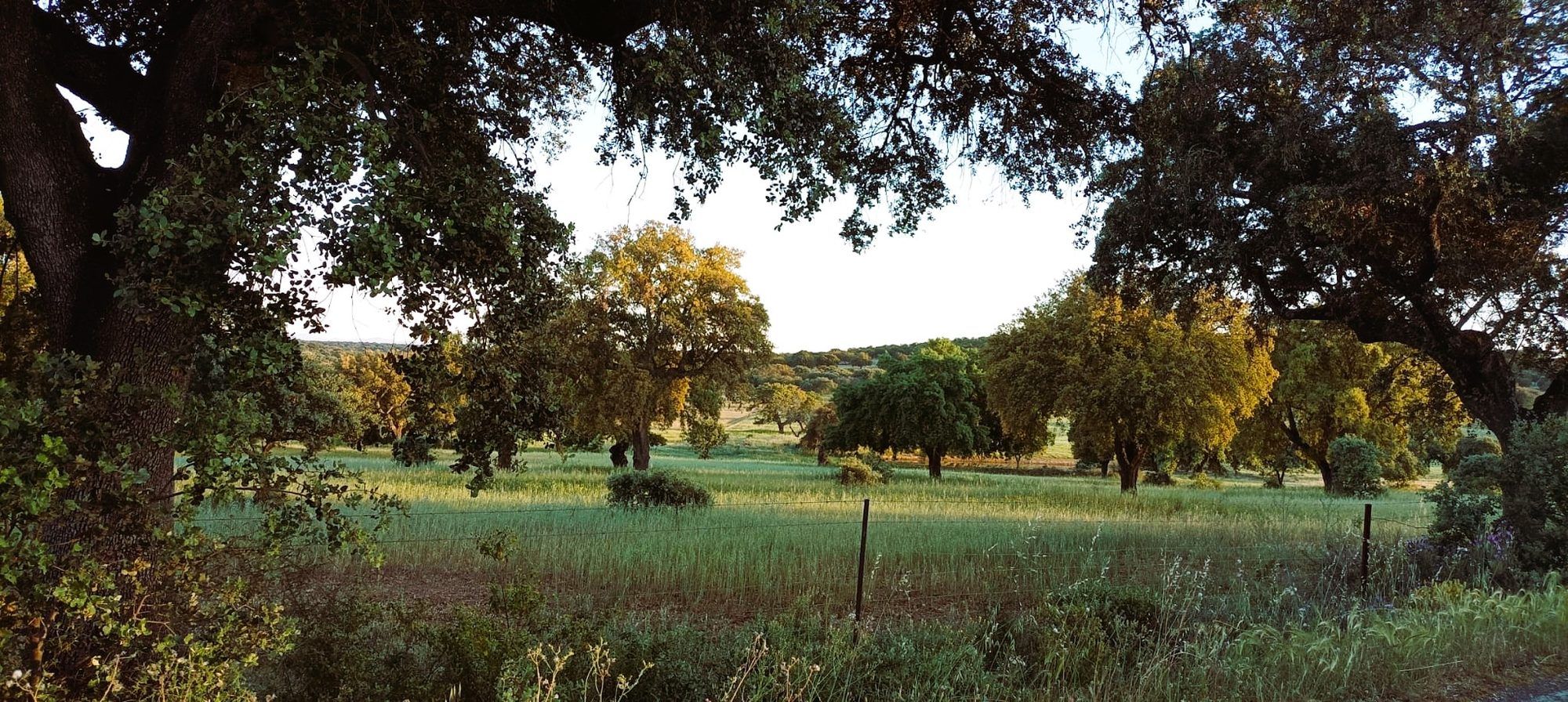
Around Mérida
A few kilometres from Mérida, between the hills of San Pedro and Montánchez and the plains of the Guadiana. Officially declared in 2004, it covers 11,601 hectares.
The Roman dam of Cornalvo, on the river Albarregas, was declared a national monument in 1912 and still supplies water to several towns.
A Special Protection Area for Birds and a Site of Community Importance, it is part of the Natura 2000 network. Its landscape brings together dehesas of holm and cork oak, riverside woodland and species such as the black stork, the wildcat and the jarabugo fish.
The main entrance is usually from Trujillanos, where the park visitor centre stands.
Send us a WhatsApp message at +34 695 498 731 or write to reservas@balcondealange.com and we will help you plan the route.